Emotional Intelligence in the Age of AI: The One Human Skill You Cannot Automate
August 23, 2026
The skilled trades and manufacturing sectors in Michigan are facing a critical talent shortage as veteran workers retire and fewer young professionals enter the field.
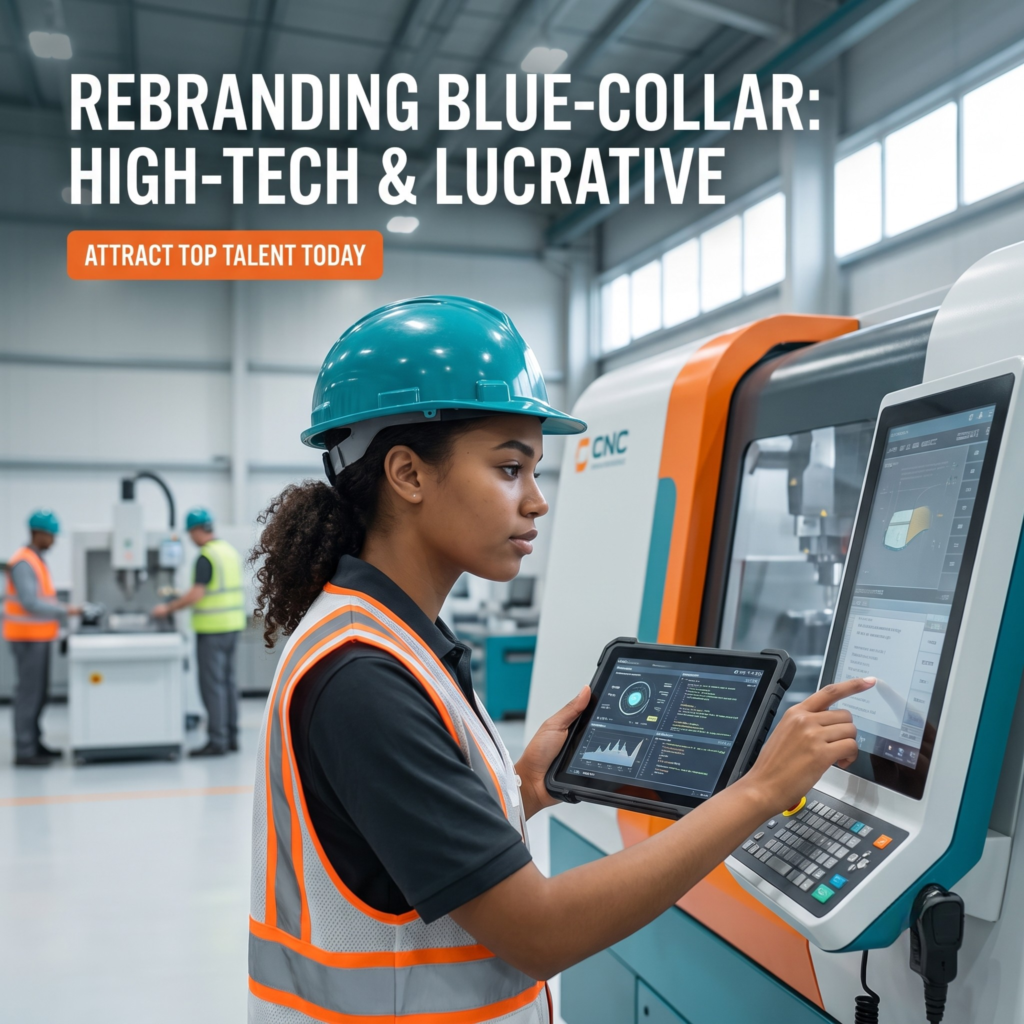
To fill this widening gap, employers must fundamentally rebrand the modern blue-collar career, shifting the narrative to highlight advanced technology, lucrative earning potential, and clear paths for professional advancement.
For decades, there has been an underlying cultural push steering young adults exclusively toward four-year degrees and corporate office jobs. Consequently, the skilled trades have unfairly inherited an outdated “dirty jobs” stigma. Many job seekers still picture dark, grimy assembly lines and grueling, low-paying manual labor. However, as any modern plant manager in Michigan will tell you, today’s industrial floors look more like high-tech laboratories than the factories of the past. To solve the skilled labor shortage, employers must actively correct these misconceptions and market their open roles to a new generation of talent.
Emphasize Technology and Innovation
The modern blue-collar worker is often a highly skilled technician. The introduction of automation, robotics, and generative AI diagnostics has completely transformed how things are built, repaired, and distributed.
- Update Your Job Descriptions: Stop relying on outdated terminology that emphasizes manual lifting and repetitive tasks. Highlight the specific technologies candidates will be operating, such as CNC programming, automated logistics software, or green-energy diagnostic tools.
- Showcase the Environment: Use your employer branding to show off the reality of your facility. High-quality videos and photos of a clean, bright, and tech-integrated workspace can immediately dismantle old stereotypes for prospective candidates.
Highlight the Fast Track to Financial Freedom
With student loan debt continuing to burden young professionals well into 2026, the skilled trades offer an incredibly attractive alternative.
- Earn While You Learn: Promote the fact that apprenticeships and on-the-job training programs allow candidates to start earning a competitive wage immediately, completely bypassing the debt associated with a traditional university track.
- Competitive Earning Potential: Be transparent about your compensation. Highly skilled tradespeople—like master electricians, specialized welders, and industrial mechanics—often earn salaries that rival or exceed mid-level corporate management roles.
Outline a Clear Career Roadmap
One of the biggest deterrents for young talent entering the trades is the fear of physical burnout and career stagnation. They want to know that their job won’t break their back by age forty, and that they have room to grow.
- Pathways to Leadership: Clearly outline how an entry-level operator can transition into a shift supervisor, safety compliance officer, or plant manager.
- Focus on Cross-Training: Offer continuous upskilling opportunities. Showing candidates that you will invest in their ongoing education—certifying them on new machinery or safety protocols—proves that you view them as long-term investments rather than disposable labor.
Partner with an Industry-Savvy Staffing Agency
Rebranding an entire sector of your business is a massive marketing challenge. Partnering with a strategic staffing agency gives you a direct pipeline to the talent you need. Specialized recruiters know exactly how to pitch modern industrial and manufacturing roles to passive job seekers, recent graduates, and individuals looking to transition out of stagnant industries. By utilizing contract-to-hire models, you can easily onboard fresh talent, train them on your specific technology, and build your next generation of leadership from the ground up.
Disclaimer: The workforce development strategies and industry trends discussed are intended for general informational purposes and should be tailored to fit your organization’s specific operational needs and local labor market conditions.
Ready to build the future of your workforce?
Transnational Staffing understands the unique demands of Michigan’s industrial and manufacturing sectors. Let us help you attract, vet, and retain the tech-savvy tradespeople your business needs to thrive. Contact us today at (734) 284-0785 or visit us online at transnationalstaffing.com to get a customized, no-obligation staffing quote.