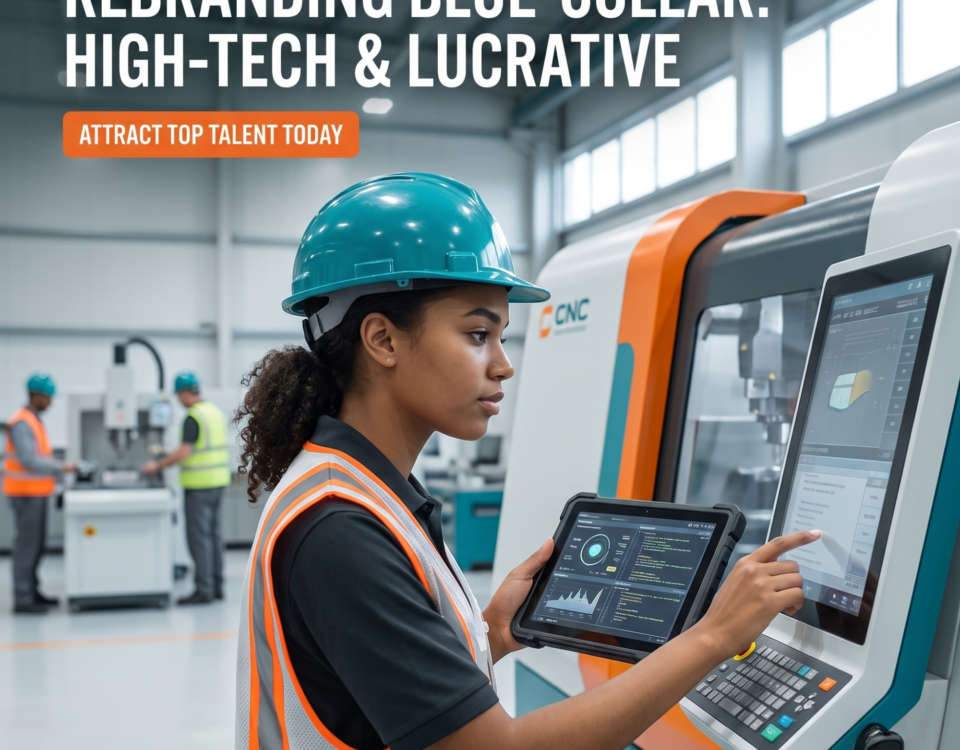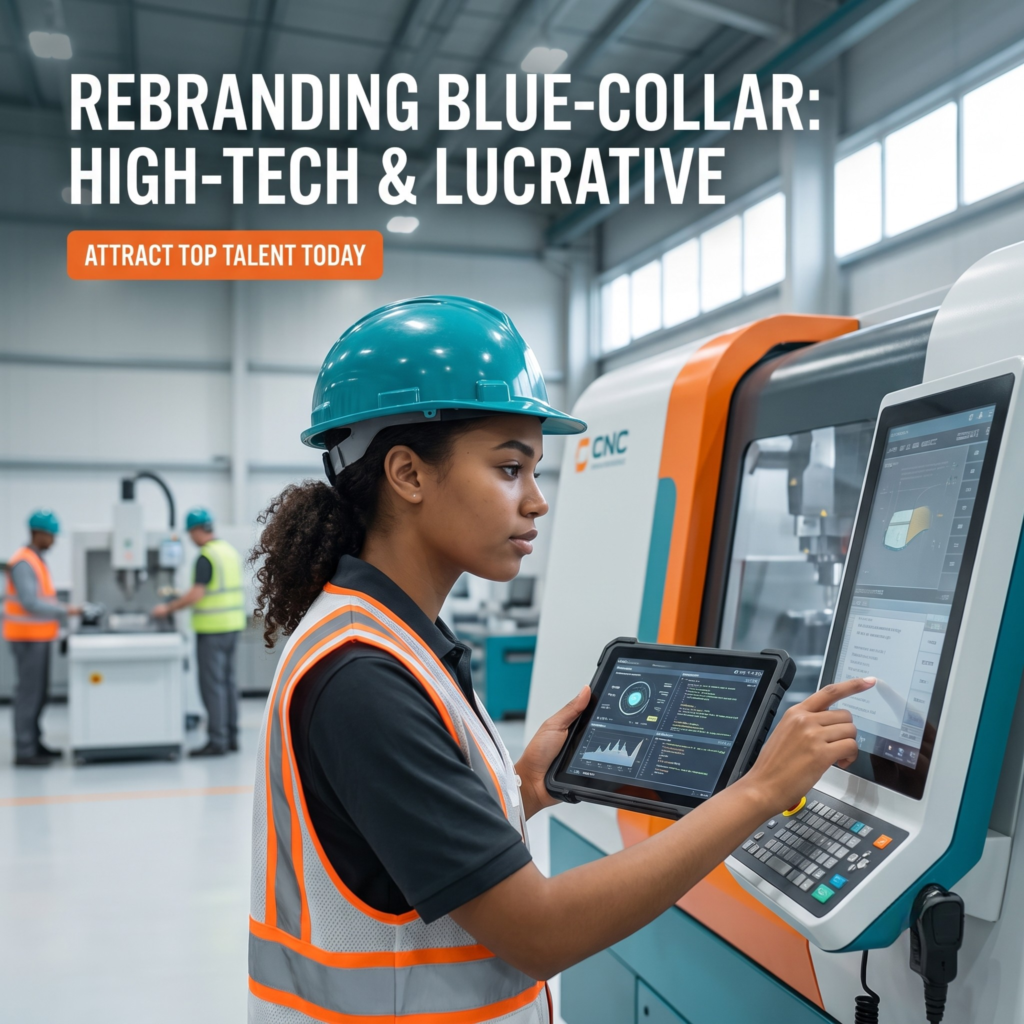
Rebranding the Blue-Collar Career: How to Attract Top Talent to Michigan’s Skilled Trades
August 30, 2026
How Small Businesses in the Midwest Can Build a Reliable Workforce with Transnational Staffing
September 5, 2026
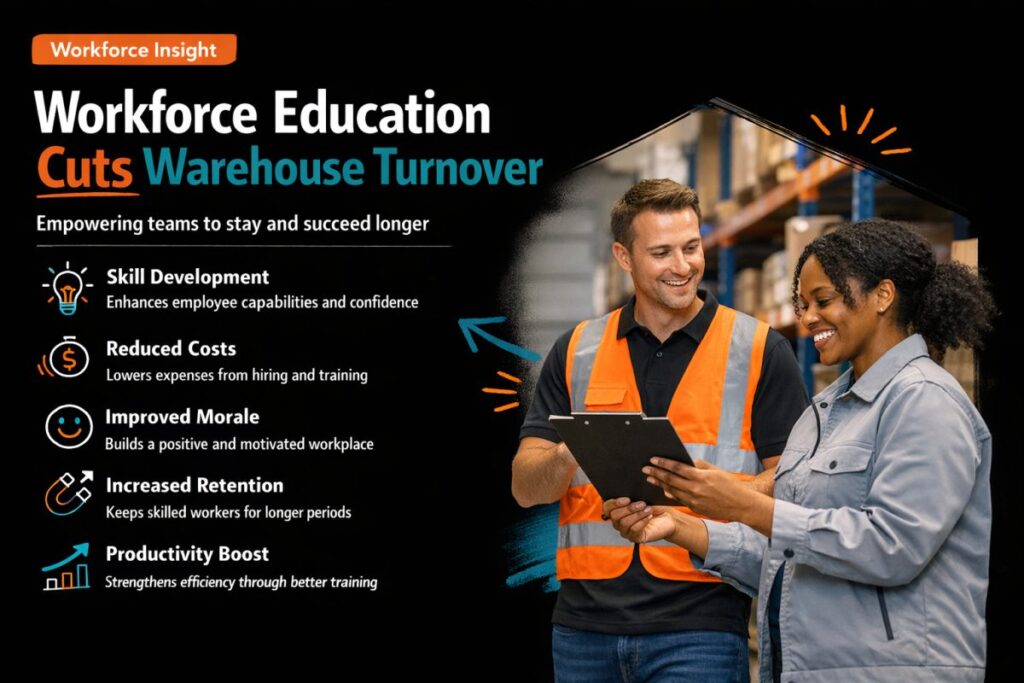
Employee turnover is a persistent challenge for warehouse employers, affecting productivity, costs, and team morale. One of the most effective strategies to combat this issue is workforce education for warehouse employers. By investing in ongoing training and development, companies can improve employee skills, boost engagement, and foster long-term retention. This article explores how workforce education directly impacts turnover rates and offers actionable steps for warehouse and logistics employers to build a stable, skilled workforce.
Understanding Turnover Challenges in Warehouse and Logistics Roles
High turnover in warehouse environments often stems from factors such as repetitive tasks, physical demands, and limited career growth opportunities. When employees feel undervalued or underprepared, they are more likely to seek other options. This creates a cycle where constant hiring and training drain time and resources.
Costs of High Turnover
Turnover doesn’t just disrupt operations; it incurs significant costs. Recruiting, onboarding, and training new hires can amount to thousands of dollars per employee. Additionally, productivity dips while new workers acclimate, and experienced employees may experience burnout covering for vacancies.
Why Traditional Hiring Isn’t Enough
Simply filling positions quickly does not solve turnover problems. Without ongoing support and development, employees may leave shortly after starting. This underlines the importance of workforce education as a retention tool rather than relying solely on recruitment volume.
How Workforce Education Supports Retention
Workforce education involves structured training programs, skill development workshops, and continuous learning opportunities tailored to warehouse roles. These initiatives can transform the workplace experience and reduce turnover in several key ways.
Building Confidence Through Skill Development
Employees who receive thorough training feel more confident performing their duties. This confidence reduces errors and safety incidents while increasing job satisfaction. For example, training on warehouse management systems or forklift operation equips workers to handle daily tasks more effectively.
Increasing Engagement and Motivation
Offering educational programs shows employees that their growth matters. Engagement rises when workers see a clear path for advancement and feel supported by their employer. Motivated employees are less likely to leave and more likely to contribute positively to the company culture.
Enhancing Safety and Compliance
Regular education reinforces safety standards and regulatory compliance. Safer workplaces reduce injury-related absences and improve overall morale. This commitment to safety also builds trust between employers and employees, strengthening retention.
Implementing Effective Workforce Education Programs
Warehouse employers looking to leverage workforce education to reduce turnover should focus on strategic planning and consistent execution. Here are essential elements of an effective program:
- Needs Assessment: Identify skill gaps and training priorities specific to your warehouse operations.
- Tailored Training Content: Develop or source training materials that address both technical skills and soft skills like communication and teamwork.
- Flexible Delivery Methods: Use a combination of in-person sessions, e-learning modules, and hands-on practice to accommodate different learning styles.
- Ongoing Reinforcement: Schedule refresher courses and performance check-ins to maintain skill levels and address new challenges.
- Career Development Pathways: Connect training to clear advancement opportunities to motivate employees toward long-term commitment.
Leveraging Technology for Training
Modern learning management systems (LMS) enable warehouse employers to track progress, customize training paths, and provide on-demand access. Incorporating technology can make education more engaging and accessible, particularly for shift-based workers.
Measuring Success and Adjusting
Track key metrics such as turnover rates, employee satisfaction scores, and productivity levels before and after implementing education programs. Use this data to refine your approach and demonstrate ROI to leadership.
Case Study: Workforce Education Impact at a Midwest Warehouse
A manufacturing warehouse in Michigan partnered with a staffing agency to introduce a comprehensive workforce education program focused on safety training, equipment operation, and team communication. Over 12 months, turnover decreased by 30%, and employee engagement surveys showed a 25% increase in job satisfaction.
The key to success was consistent training delivery combined with clear communication about career growth opportunities. This example highlights the tangible benefits of investing in workforce education tailored to warehouse employers.
Conclusion: Make Workforce Education a Strategic Priority
Reducing turnover in warehouse and logistics roles requires more than just filling vacancies—it demands a commitment to employee development and engagement. Workforce education for warehouse employers plays a crucial role in building a skilled, motivated, and loyal workforce. By implementing tailored training programs, leveraging technology, and linking education to career paths, employers can see significant improvements in retention and overall business performance.
If you’re a warehouse employer seeking dependable staffing solutions and customized workforce education programs in Michigan or the Midwest, Transnational Staffing is here to help. Our people-first approach ensures long-term success for your team. Call us today at (734) 284-0785 or visit transnationalstaffing.com to learn how we can support your workforce goals.