The Impact of Skilled Labor Shortages on Midwest Manufacturing and How Staffing Can Help
September 19, 2026
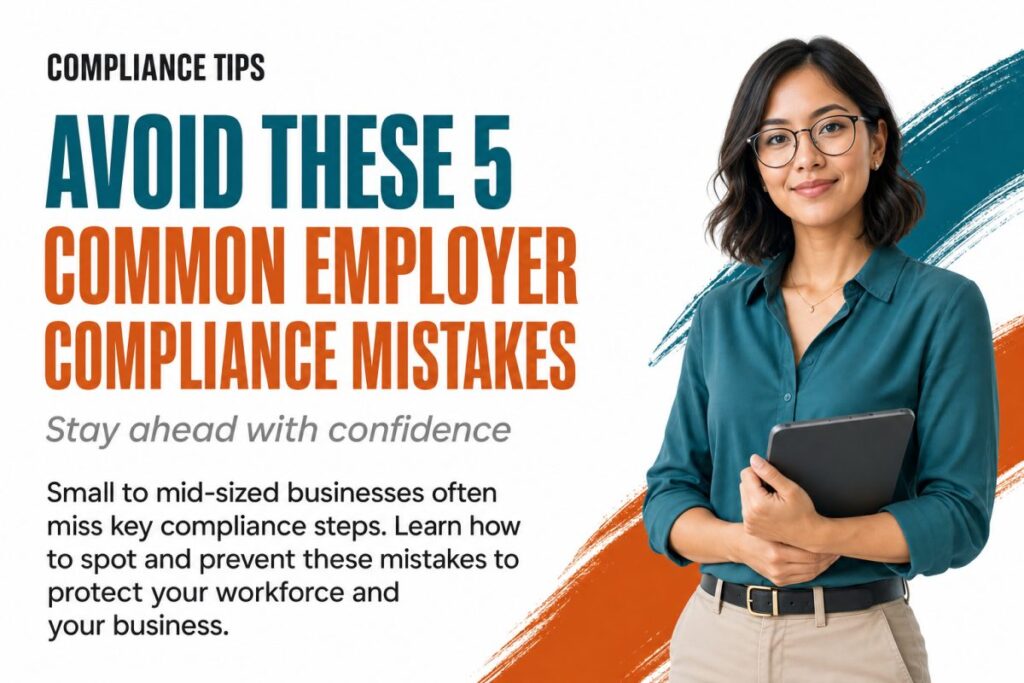
For small to mid-sized businesses in manufacturing, warehouse, logistics, and office sectors, understanding workforce compliance is critical. Many employers unintentionally make compliance mistakes that can lead to costly penalties, operational disruptions, and damaged reputations. The good news? These pitfalls are avoidable with the right knowledge and staffing partner. This article highlights five common compliance mistakes employers often overlook and explains how partnering with Transnational Staffing ensures your business stays compliant and focused on growth.
1. Misclassifying Employees and Contractors
One of the most frequent compliance errors employers make is misclassifying workers as independent contractors instead of employees, or vice versa. This classification affects payroll taxes, benefits, overtime rules, and labor protections.
Why It Matters
Improper classification can lead to back taxes, fines, and legal disputes. The IRS and Department of Labor have clear guidelines on who qualifies as an employee versus a contractor, but the distinctions can be subtle.
How to Avoid This Mistake
- Conduct a thorough review of each worker’s role, control level, and contract terms.
- Use official IRS and state agency resources for classification tests.
- Partner with a staffing agency like Transnational Staffing that ensures proper classification for all placements.
With Transnational Staffing, you gain access to experts who handle classification compliance, reducing your administrative burden and risk.
2. Failing to Adhere to Wage and Hour Laws
Wage and hour compliance is complex, involving minimum wage, overtime pay, recordkeeping, and meal/break requirements. Small businesses often overlook state-specific regulations or federal updates.
Common Wage and Hour Pitfalls
- Not paying overtime for eligible employees
- Incorrectly classifying exempt versus non-exempt employees
- Inadequate time tracking and record retention
Best Practices for Compliance
Stay current on federal and Michigan state wage laws. Implement accurate timekeeping systems and regularly audit payroll processes. Transnational Staffing supports employers by managing timesheets, wage calculations, and compliance audits for all contingent and full-time staff.
3. Neglecting Workplace Safety and OSHA Regulations
OSHA compliance is vital in manufacturing, warehousing, and logistics environments. Employers must maintain safe workplaces, conduct hazard assessments, and provide proper employee training.
Risks of Non-Compliance
Ignoring OSHA standards can result in fines, increased workers’ compensation costs, and serious injuries. Small businesses may underestimate these risks or lack dedicated safety personnel.
How Staffing Partners Can Help
- Ensure temporary and long-term workers receive safety training before placement
- Maintain documentation and compliance records for audits
- Provide ongoing safety support tailored to your industry
Transnational Staffing emphasizes safety training and compliance, relieving employers of these complex tasks and safeguarding your workforce.
4. Overlooking Anti-Discrimination and Fair Hiring Practices
Discrimination claims can arise from subtle hiring or workplace practices that violate federal laws like Title VII, the ADA, or the ADEA. Small and mid-sized employers may unintentionally expose themselves to risk by lacking structured hiring policies.
Key Compliance Areas
- Consistent job postings and candidate screening
- Documentation of interview questions and hiring decisions
- Reasonable accommodations and non-discriminatory workplace policies
Maintaining Fair Hiring with Transnational Staffing
Our direct hire staffing and contingent staffing services adhere to strict anti-discrimination guidelines. We provide employers with compliant candidate pools and hiring support that promotes fairness and diversity.
5. Ignoring I-9 Employment Eligibility Verification Requirements
Employers must verify that all workers are legally authorized to work in the U.S. by completing Form I-9. Mistakes or delays in this process can trigger government penalties.
Common I-9 Compliance Issues
- Incomplete or improperly filled forms
- Missing or expired identification documents
- Failure to re-verify employees when required
How Transnational Staffing Supports I-9 Compliance
We handle all I-9 verifications for our placed candidates, ensuring accuracy and timeliness. This reduces employer liability and streamlines onboarding.
Why Partner with Transnational Staffing to Avoid Compliance Mistakes?
Compliance regulations can be overwhelming, especially for small to mid-sized businesses managing day-to-day operations. Transnational Staffing takes a people-first, compliance-focused approach that prioritizes your long-term success.
- Expertise: Our team stays current on Michigan and federal labor laws.
- Custom Solutions: We tailor staffing to your industry and workforce needs.
- Clear Communication: Transparent processes keep you informed and confident.
- Risk Reduction: We help you avoid costly compliance penalties and legal issues.
By partnering with Transnational Staffing, you gain more than just workers—you gain a trusted advisor to navigate complex compliance requirements.
Conclusion
Compliance mistakes can put your business at risk, but many common pitfalls are preventable with the right knowledge and support. From proper worker classification and wage compliance to safety training and fair hiring, Transnational Staffing helps small and mid-sized employers in Michigan and the Midwest build a reliable, compliant workforce.
Don’t leave your compliance to chance. Contact Transnational Staffing today at (734) 284-0785 or visit transnationalstaffing.com to learn how we can help you avoid costly compliance mistakes and focus on growing your business.
Explore additional workforce insights on our blog: https://transnationalstaffing.com/blog/