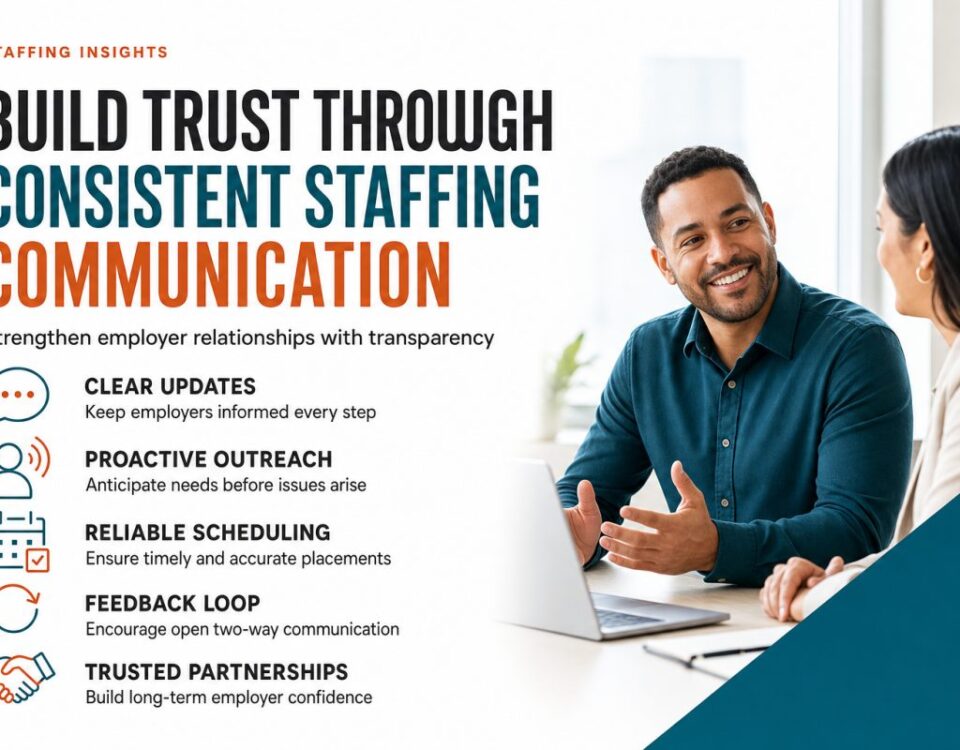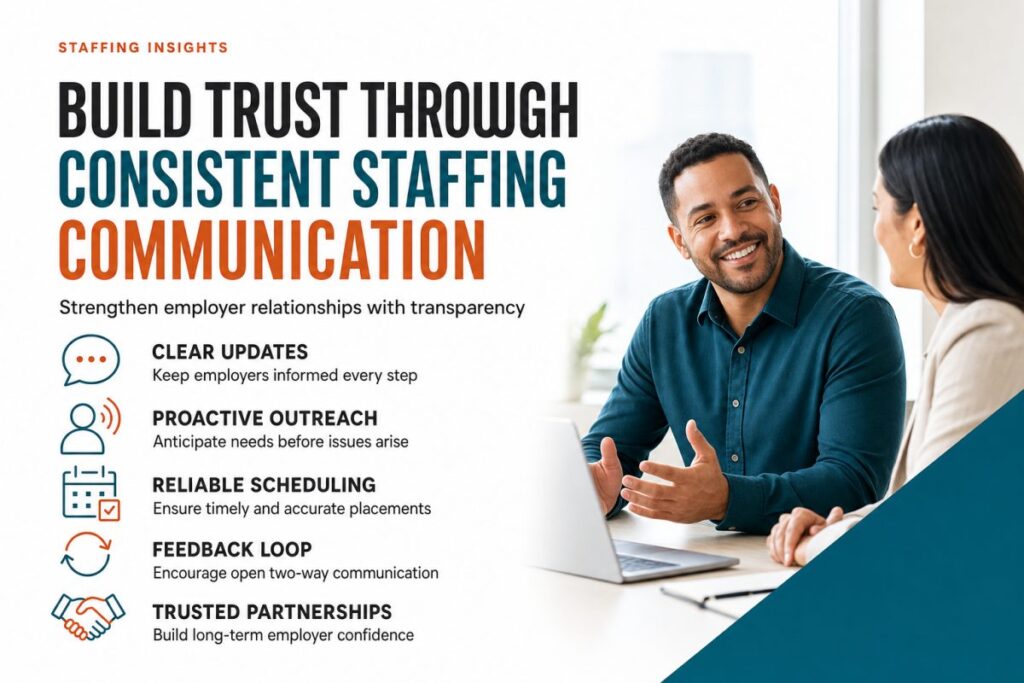
How Consistent Staffing Communication Builds Reliability and Trust with Employers
November 3, 2026
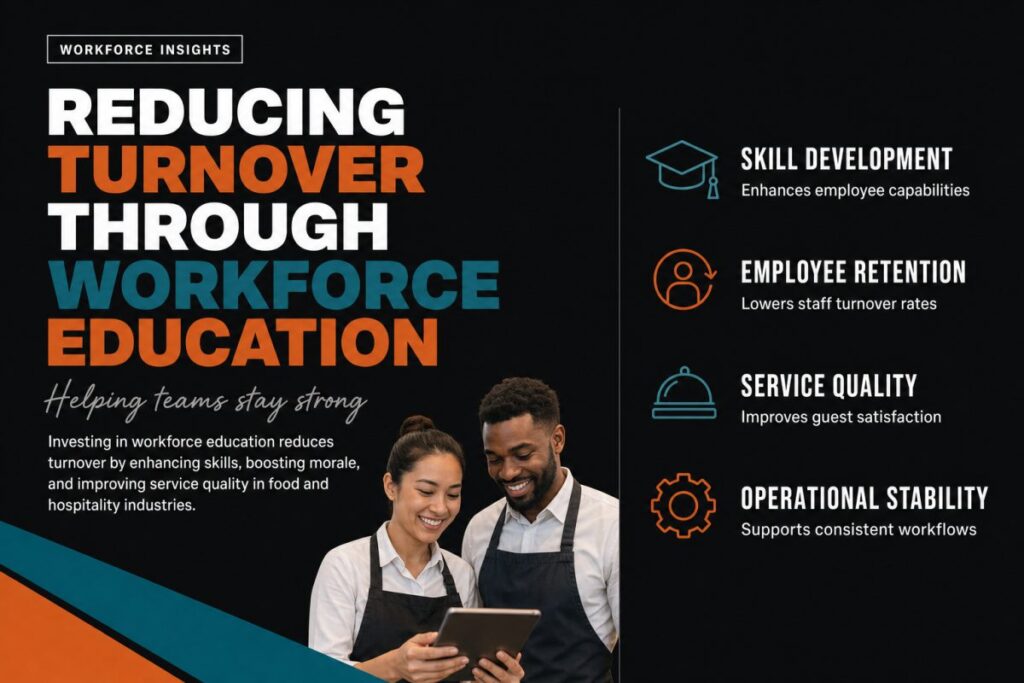
In the fast-paced food and hospitality industry, employee turnover is a constant challenge that can disrupt operations and affect service quality. Implementing effective workforce education in food and hospitality staffing is a proven strategy to reduce turnover rates and build a more stable, skilled workforce. Educating temporary and permanent staff not only improves job satisfaction but also enhances performance, leading to better guest experiences and long-term business success.
Understanding Turnover Challenges in Food and Hospitality Staffing
The food and hospitality sectors often rely on temporary and contingent staffing to manage fluctuating demand. However, high turnover in these roles creates ongoing recruitment and training costs, inconsistent service, and operational strain. Many workers leave due to unclear job expectations, lack of skills, or minimal engagement from employers.
By focusing on workforce education, employers can address the root causes of turnover. When employees feel prepared and valued, they are more likely to stay and perform well. This approach benefits both employers and candidates seeking stable, respectful work environments.
Why Turnover is Especially High in Food and Hospitality
- Seasonal and peak demands: Workloads spike unpredictably, leading to stress and burnout.
- Entry-level roles: Many workers are new to the industry and lack foundational skills.
- Limited advancement: Without clear career pathways, employees see few long-term prospects.
- Inconsistent training: On-the-job learning varies widely, causing frustration and mistakes.
How Workforce Education Drives Retention and Service Quality
Workforce education goes beyond basic onboarding. It involves structured training programs that equip hospitality staff with the skills and knowledge needed to excel. This investment pays off by creating confident employees who can handle diverse tasks and deliver exceptional service.
Building Skills for Success
Providing comprehensive training on customer service, safety protocols, and operational procedures empowers staff to meet employer expectations consistently. When workers understand their roles clearly and feel competent, job satisfaction improves dramatically.
Creating a Culture of Respect and Growth
Education signals that an employer values their workforce. Offering ongoing learning opportunities fosters loyalty and engagement. Staff are more motivated when they see a path for growth, reducing the impulse to seek other jobs.
Reducing Mistakes and Enhancing Guest Experience
Well-trained employees make fewer errors, which means smoother operations and happier guests. Consistent service quality builds customer trust and repeat business—key factors in hospitality success.
Implementing Effective Workforce Education in Food and Hospitality Staffing
Developing a workforce education program requires thoughtful planning and collaboration. Here are key steps employers and staffing agencies can take to create impactful training initiatives:
1. Assess Skill Gaps and Needs
Start by identifying the most critical skills and knowledge areas for your specific food or hospitality roles. This assessment guides targeted training that addresses real challenges on the job.
2. Develop Clear, Accessible Training Materials
Use a mix of written guides, videos, and hands-on demonstrations to accommodate different learning styles. Keep materials straightforward and relevant to daily tasks.
3. Incorporate Soft Skills and Compliance
Customer interaction, teamwork, and workplace safety are essential topics. Including these in training helps staff navigate the complexities of hospitality environments confidently.
4. Provide Ongoing Support and Feedback
Training should not end after orientation. Regular check-ins and refresher sessions maintain skills and allow employees to voice concerns or suggestions.
5. Collaborate with Staffing Partners
Partnering with a staffing agency like Transnational Staffing ensures access to specialized training resources and workforce education expertise tailored to food and hospitality needs.
Benefits of Workforce Education for Employers and Employees
The positive outcomes of investing in workforce education ripple throughout the organization. Here are some of the key benefits:
- Lower turnover rates: Educated employees are more engaged and less likely to leave.
- Improved productivity: Skilled workers complete tasks efficiently and with higher quality.
- Enhanced reputation: Consistent service excellence strengthens brand loyalty and customer satisfaction.
- Cost savings: Reduced recruitment, hiring, and retraining expenses improve the bottom line.
- Stronger employee-employer relationships: Education fosters trust and mutual respect.
Case Study: Workforce Education in Action
Consider a Michigan-based restaurant that partnered with Transnational Staffing for Food and Hospitality Staffing. By integrating a tailored workforce education program, they saw a 30% reduction in turnover within six months. Employees reported feeling more confident in their roles, and customer satisfaction scores increased noticeably.
This example highlights how targeted education not only stabilizes staffing but also elevates service standards critical to hospitality success.
Conclusion: Invest in Workforce Education to Build a Reliable Hospitality Team
Reducing turnover in food and hospitality staffing starts with investing in workforce education. By preparing employees thoroughly and fostering a culture of respect and growth, employers create a dependable team that delivers outstanding service. At Transnational Staffing, we specialize in providing skilled, well-trained staff supported by ongoing education tailored to your unique needs.
Ready to build a more stable, skilled hospitality workforce? Call Transnational Staffing at (734) 284-0785 or visit transnationalstaffing.com to learn how our Food and Hospitality Staffing solutions and workforce education programs can support your success.