Creating Career Pathways for Entry-Level Workers in Michigan’s Warehouse Sector
October 22, 2026
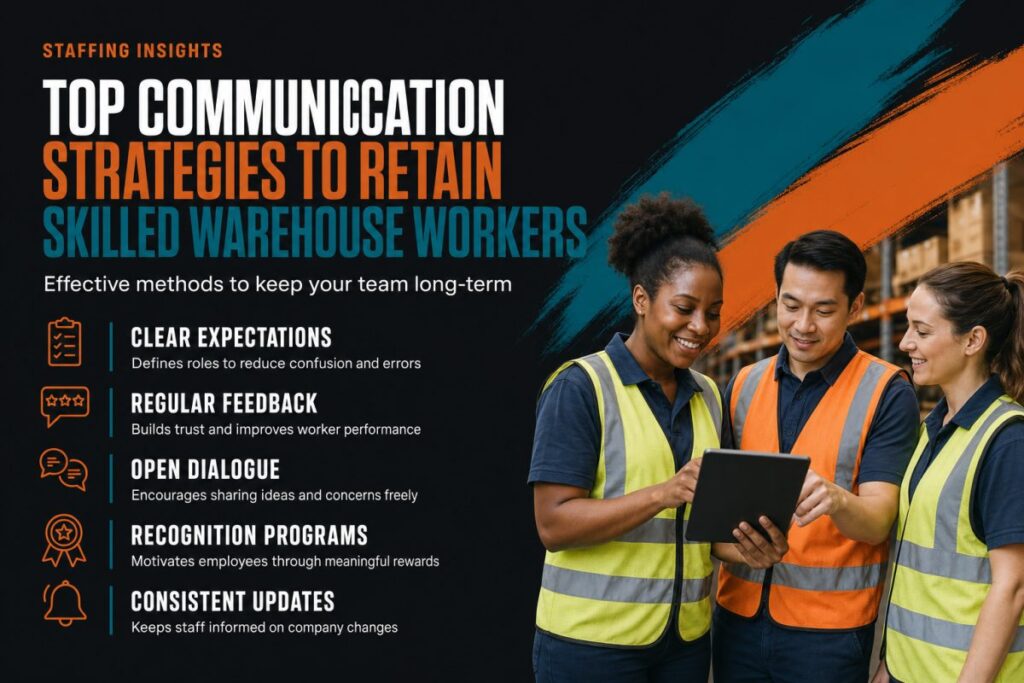
Retaining skilled warehouse workers is a critical challenge for many manufacturing, logistics, and distribution companies in Michigan and the Midwest. One of the most effective tools employers have at their disposal is strong communication. Implementing proven communication strategies to retain skilled warehouse workers can improve employee satisfaction, reduce turnover, and build a more reliable workforce. This article explores actionable communication techniques tailored specifically to warehouse environments, helping you keep your most valuable talent engaged for the long term.
Why Communication Matters in Warehouse Worker Retention
Warehouse roles often involve physically demanding tasks and fast-paced environments. Skilled workers in these settings value clear, respectful communication that acknowledges their expertise and contributions. Poor communication leads to frustration, misunderstandings, and ultimately higher turnover. Conversely, transparent and supportive communication fosters trust and loyalty.
Investing in communication isn’t just about daily interactions; it’s about creating a culture where workers feel heard and valued. This culture becomes a key driver in long-term retention.
Understanding the Unique Needs of Warehouse Workers
Warehouse workers face specific challenges such as shift variability, safety concerns, and often limited access to digital communication tools during shifts. Tailoring communication methods to these realities is essential. For example, face-to-face briefings, clear signage, and accessible supervisors can bridge gaps.
The Cost of Poor Communication
Turnover in warehouse roles can be costly, with expenses tied to recruiting, training, and lost productivity. Miscommunication can also lead to safety incidents or operational errors. Prioritizing communication helps mitigate these risks and supports operational efficiency.
Effective Communication Strategies to Retain Skilled Warehouse Workers
Adopting a multi-faceted approach to communication ensures workers receive consistent messages that align with company values and expectations. Below are key strategies proven to enhance retention.
1. Regular and Transparent Updates
Keeping warehouse employees informed about company news, policy changes, and operational updates builds trust. Use daily huddles, bulletin boards, or digital messaging platforms adapted for warehouse settings.
- Daily Shift Briefings: Brief meetings at shift start to outline goals, safety reminders, and recognize achievements.
- Visual Communication Tools: Use clear signage and posters to reinforce key messages and safety protocols.
- Open-door Policies: Encourage workers to ask questions or raise concerns without fear of reprisal.
2. Active Listening and Feedback Loops
Retention improves when workers feel their opinions matter. Create structured opportunities for employees to share feedback and suggestions.
- Regular Surveys: Anonymous surveys can reveal hidden issues or improvement ideas.
- Suggestion Boxes: Physical or digital boxes allow ongoing input from all shifts.
- One-on-One Check-ins: Supervisors meeting individually with workers to discuss performance and concerns.
3. Clear Expectations and Consistent Messaging
Skilled warehouse workers appreciate clarity on job duties, performance standards, and career paths. Consistency in communication prevents confusion and builds confidence.
- Standard Operating Procedures (SOPs): Written and accessible guidelines for all tasks.
- Performance Reviews: Regular, transparent evaluations with clear metrics and development goals.
- Career Path Discussions: Communicate opportunities for advancement or cross-training.
Building a Supportive Communication Culture
Beyond formal strategies, fostering a workplace culture that values open and respectful communication is vital. This culture supports retention by making employees feel part of a team.
Training Supervisors in Communication Skills
Supervisors are the primary communication link between management and warehouse workers. Investing in their communication training improves team morale and problem resolution.
- Conflict Resolution Techniques: Equip supervisors to handle disputes constructively.
- Empathy and Active Listening: Encourage understanding employee perspectives.
- Clear and Respectful Language: Promote positive dialogue to motivate workers.
Encouraging Peer Communication and Team Cohesion
Peer relationships can significantly impact job satisfaction. Facilitate team-building activities and encourage informal communication channels.
- Team Meetings: Regular group discussions to celebrate successes and address challenges.
- Recognition Programs: Publicly acknowledge contributions to boost morale.
- Social Opportunities: Organize occasional events or breaks that encourage camaraderie.
Leveraging Technology to Enhance Communication
While warehouse workers may have limited desk time, technology can still play a role in effective communication.
- Mobile Apps: Use apps designed for frontline workers to send updates and receive feedback.
- Digital Kiosks: Install terminals where workers can access schedules, policies, and announcements.
- Text Alerts: Quick messages for urgent updates or shift changes.
Conclusion: Make Communication Your Retention Advantage
Implementing strong communication strategies is not a one-time fix but an ongoing commitment that pays dividends in retaining skilled warehouse workers. By prioritizing transparent updates, active listening, clear expectations, and a supportive culture, employers can build a loyal workforce prepared to meet operational demands long-term.
For Michigan and Midwest employers seeking reliable staffing solutions and guidance on workforce retention, Transnational Staffing offers expert support tailored to your industry. Contact us today at (734) 284-0785 or visit transnationalstaffing.com to learn how we can help you build and maintain a skilled, stable workforce.