
Psychological Safety in the Workplace: The Secret Ingredient to Innovation
January 23, 2026
The Art of the Follow-Up: What to Do After Your First Interview
February 6, 2026
When you find yourself looking for a new opportunity, the instinct is often to go into “search mode.” You update yourresume, hit the major job boards, and apply to anything that matches your previous title.
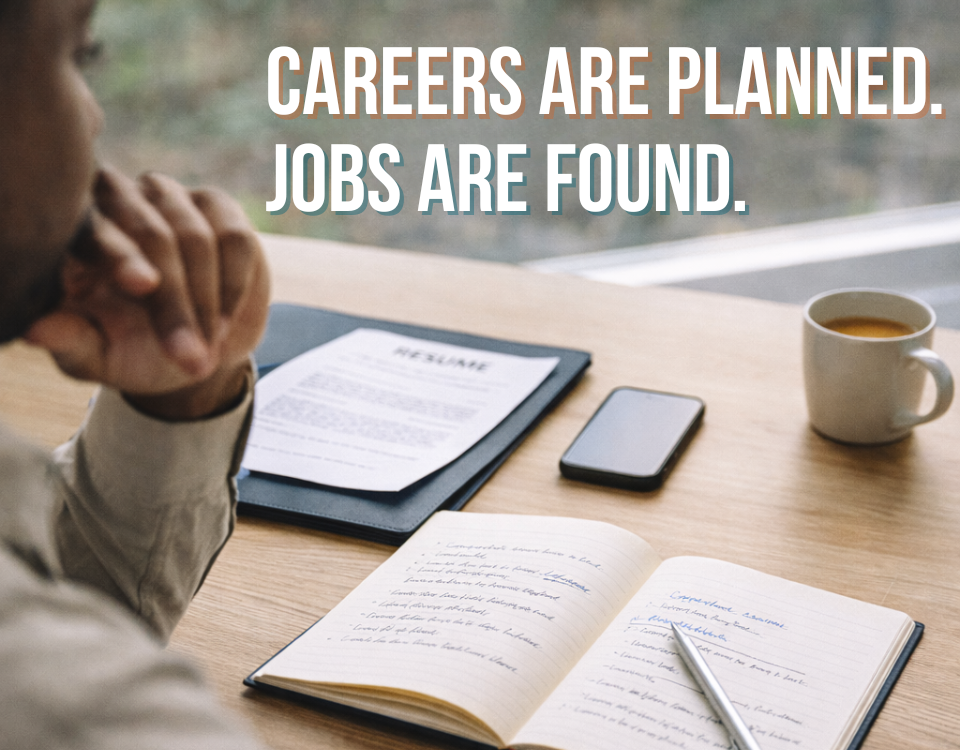
However, there is a fundamental difference between a Job Search and a Career Strategy.
One is a reactive scramble to fill a gap; the other is a proactive roadmap designed to build a legacy. In 2026, where the market values specialized skills and cultural alignment more than ever, understanding this distinction is the key to long-term success.
The Comparison: Reactive vs. Proactive
| Feature | Job Search (Reactive) | Career Strategy (Proactive) |
| Primary Goal | Immediate employment/income. | Long-term growth and fulfillment. |
| Criteria | “Can I do this job?” | “Does this job lead to my 5-year goal?” |
| Method | Applying to high volumes of postings. | Targeted networking and skill alignment. |
| Mindset | Seeking any “fit.” | Seeking a “Culture Add” and “Skill Stretch.” |
The 3 Pillars of a Career Strategy
To move from a seeker to a strategist, you need to focus on three specific areas of your professional identity:
1. The “North Star” Objective
A job search starts with “what is available?” A career strategy starts with “where am I going?” Identify the role you want five years from now. Every move you make today should be a “building block” toward that specific destination. If a job offers a high salary but zero growth toward your North Star, a strategist knows it might actually be a setback.
2. Inventory of Transferable Skills
A job searcher focuses on their past titles. A strategist focuses on their competencies. Job Searcher: “I am a Warehouse Supervisor.”
- Strategist: “I am an expert in lean logistics, team leadership, and inventory optimization.”
- By identifying your skills rather than your titles, you open doors to industries you may have never considered.
3. Strategic Networking
In a job search, you talk to recruiters when you need work. In a career strategy, you build relationships when you don’t. This involves attending industry seminars, joining professional associations, and engaging with thought leaders in your field.
Why Employers Prefer the “Strategist”
When a hiring manager looks at a resume, they can tell the difference between someone who just needs a job and someone who has a strategy.
- The Job Searcher asks about the benefits and the hours.
- The Career Strategist asks about the company’s three-year vision and how their role contributes to it.
Employers hire strategists because they are more engaged, more likely to seek out upskilling opportunities, and more committed to the company’s long-term mission.
Transnational Staffing: Your Career Architect
At Transnational Staffing, we don’t just fill “openings.” We act as your Career Architect.
Whether you are a candidate looking for your next strategic move or a company looking for a high-potential strategist, we bridge the gap.
We help our candidates translate their “jobs” into “careers” and help our clients find the talent that will drive their organization forward for years to come.
Ready to stop searching and start strategizing?
Transnational Staffing connects you with the opportunities—and the insights—to build a career that lasts.
Call us at (734) 284-0785 or visit our contact us page: transnationalstaffing.com/contact-us